



Buying a used car in the UAE can be both a smart decision and a challenging one. With the right approach, you’ll find excellent value and reliability. But skip key steps, and you risk hidden problems. In this guide for UAECarSale, we walk you through every stage—from defining your budget to final registration—so you’re fully prepared.
Section 1: Define Your Needs & Budget
- Determine what you will use the car for (city commuting vs long drives vs family trips).
- Set a realistic budget: include not just the purchase price, but also insurance, registration, maintenance, fuel, tolls (e.g., SALIK in Dubai) and possible repairs.
- Decide whether you’ll buy outright, or use financing/loan.
- Shortlist models/types that fit your budget, usage and maintenance comfort.
Section 2: Explore the Market
- Use trusted online marketplaces and dealerships in the UAE. For example: Dubizzle, CarSwitch, etc.
- Visit both private sellers and certified used-car dealers.
- Compare prices, mileage, service history, age, and model reputation.
- Don’t rush: good deals show up when you monitor and compare.
Section 3: Inspection & Vehicle History Checks
- Exterior & interior: Look for dents, scratches, rust, repaint signs, uneven tyre wear.
- Mechanical condition: Test drive the car; listen for odd sounds, check brakes, steering, suspension.
- VIN check & service history: Verify the vehicle identification number and check for past accidents, tampering, odometer rollback.
- Red flags to watch out for: missing service records, high mileage disproportionate to age, deployed airbags, unclear history.
Section 4: Documentation & Legal Checks
- Confirm the seller is the registered owner and all documents match.
- Check for unpaid fines, outstanding registration/ownership issues via the appropriate RTA or traffic authority.
- Verify insurance status – you’ll need valid insurance to register/drive the vehicle.
- If applicable, check whether the car has any pending loans or is being used as collateral.
Section 5: Price Negotiation & Payment
- Use your inspection findings and market research to negotiate.
- Understand average depreciation for the model/age (used-car market in UAE offers value due to depreciation).
- Decide on payment method: cash vs cheque vs bank transfer.
- Get a written receipt/invoice for any deposit or full payment. Have sale agreement if possible.
Section 6: Transfer of Ownership & Registration
- Once payment is done, register the car in your name with the relevant authority (e.g., in Dubai, via Dubai Roads and Transport Authority (“RTA”)
- Ensure insurance is active and valid – many registration/transfer processes require a valid policy.
- Transfer any toll/Salik tag if relevant, and cancel or transfer any previous subscription.
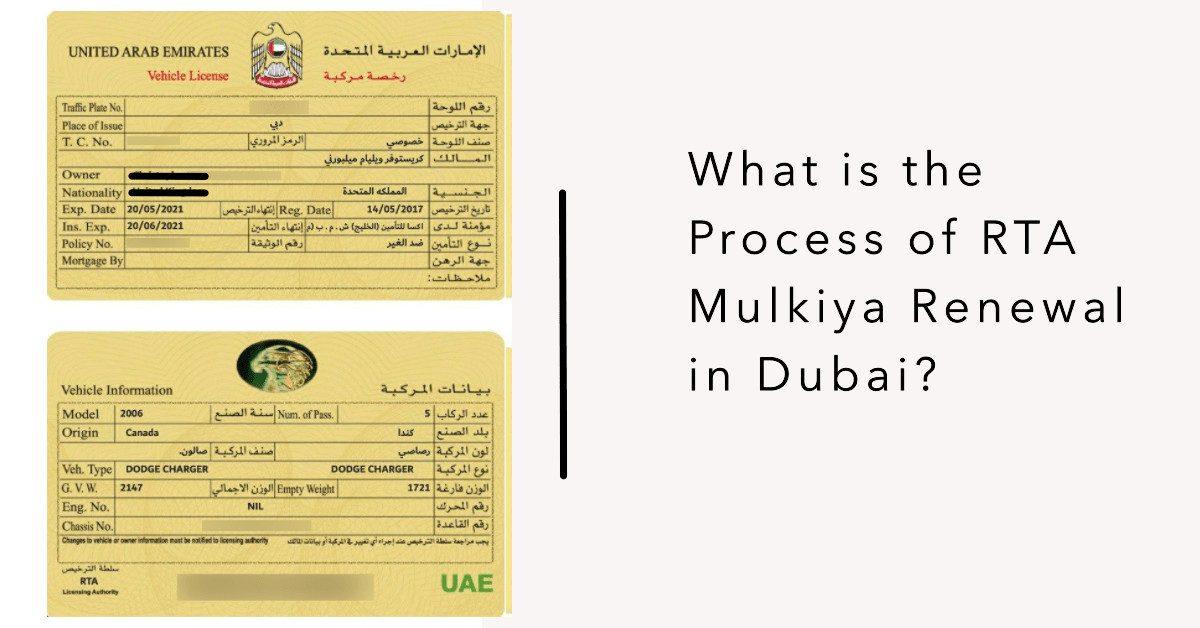
- Ensure the registration card is updated with your name and that you get the physical registration card.
Section 7: After-Purchase Checks & Ownership Tips
- Keep the service history updated and perform regular maintenance.
- Understand running costs in the UAE: fuel, parking, tolls, insurance, depreciation.
- If you plan to resell later, maintain documentation and service records to improve value.
- Be mindful of scams: low-price “too good to be true” deals may hide problems.
Section 8: Common Mistakes & How to Avoid Them
- Buying without inspection or only relying on images.
- Ignoring vehicle history/accident details.
- Not checking for fines or outstanding debt on the car.
- Paying full amount without proper written proof or transfer.
- Forgetting to register in your name promptly.
Conclusion
Buying a used car in the UAE offers great value—if done right. By following this step-by-step guide from UAECarSale, you’re far more likely to find a reliable vehicle, avoid pitfalls, and enjoy a smooth ownership experience. Take your time, do your homework, and trust your instincts.
Video Link to Embed
Here’s a great video you can embed into the blog: